Approximately 112°
Water contact angle on the coated sample
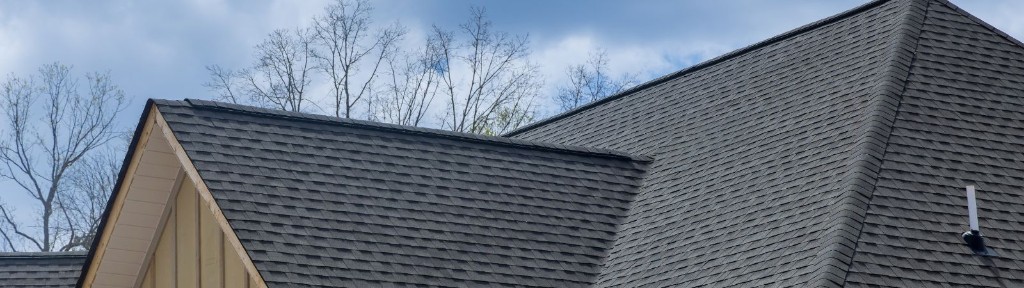
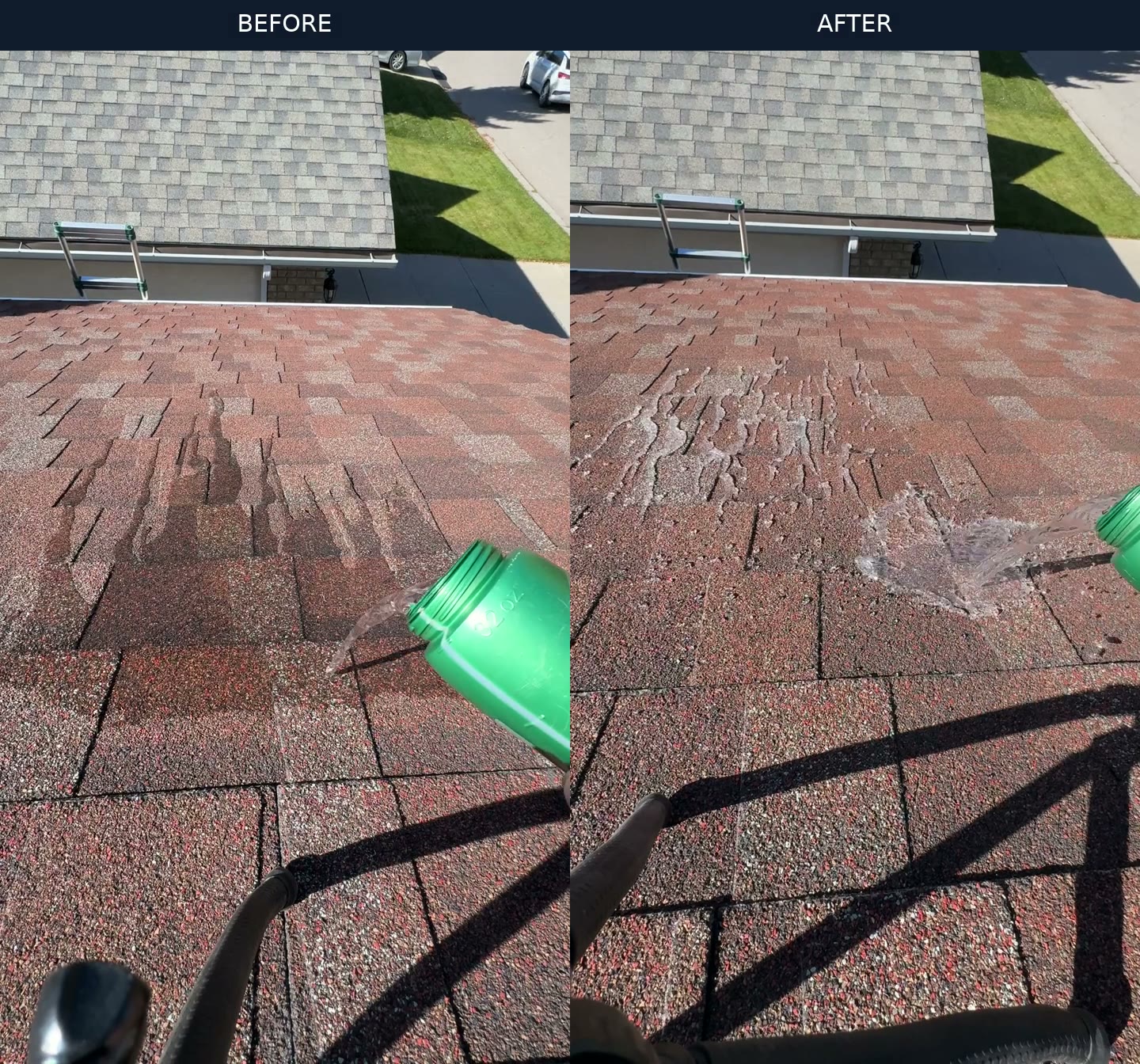
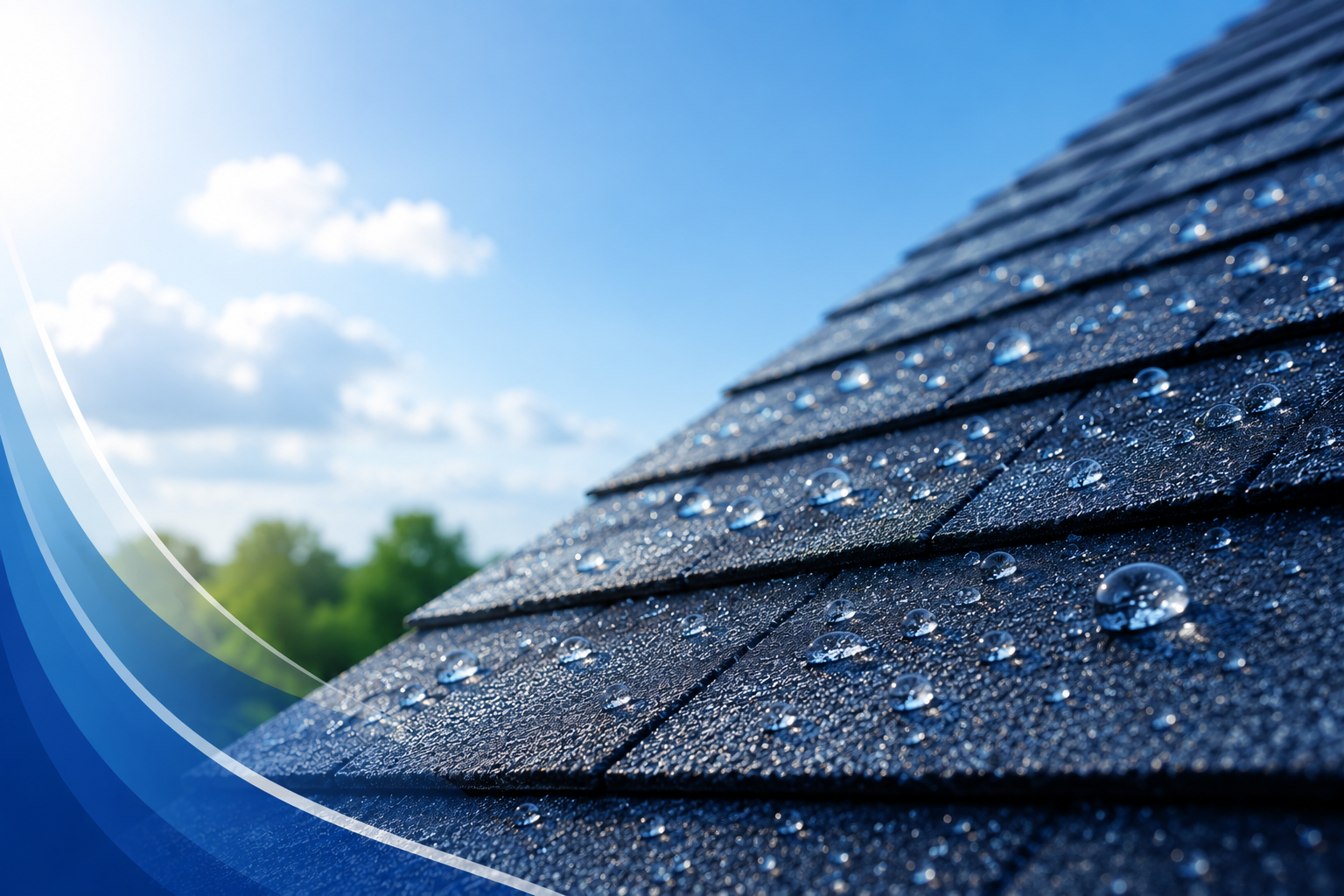
Contact angle measures how strongly a surface repels water. Moisture absorbed into a shingle can accelerate aging and freeze/thaw damage, while lingering moisture encourages moss growth. Nanoclad-protected shingles measure approximately 112° contact angles, demonstrating water repellency that helps limit exposure to damaging moisture, resulting in slower aging.
- Test method:
- ASTM D7334-08(2022)
- Substrate:
- Samples from the same 20-year-old asphalt shingle
Water Retention: A Side-by-Side Comparison
Water absorption was compared using untreated and Nanoclad-coated samples taken from the same 20-year-old asphalt shingle. Both samples were exposed to identical amounts of water, then weighed to measure the amount of water retained.
Results
| Measurement | Uncoated | Nanoclad-coated |
|---|
| Initial sample weight | 24 g | 24 g |
|---|
| Weight after exposure and drainage | 70 g | 24 g |
|---|
| Measured weight gain | 46 g | No measurable gain |
|---|
The uncoated sample showed a 46-gram weight gain, while the coated sample showed no measurable weight gain on the scale used. This comparison measures water retained after the stated exposure and drainage procedure, including water on the surface and any water absorbed into the sample.
Test Method
Two samples were taken from the same 20-year-old asphalt shingle. One sample had been treated with Nanoclad approximately two years earlier, while the other remained untreated.
Each sample initially weighed 24 grams. We poured 50 mL of water over each sample, allowed it to rest horizontally for 10 seconds, then held it vertically for 3 seconds to drain excess water.
Both samples were then weighed again to measure how much water they retained.
- Substrate:
- Samples from the same 20-year-old asphalt shingle
Limitations
This preliminary comparison involved one coated and one uncoated sample. Results apply to these samples and conditions. “No measurable gain” does not establish zero absorption.